

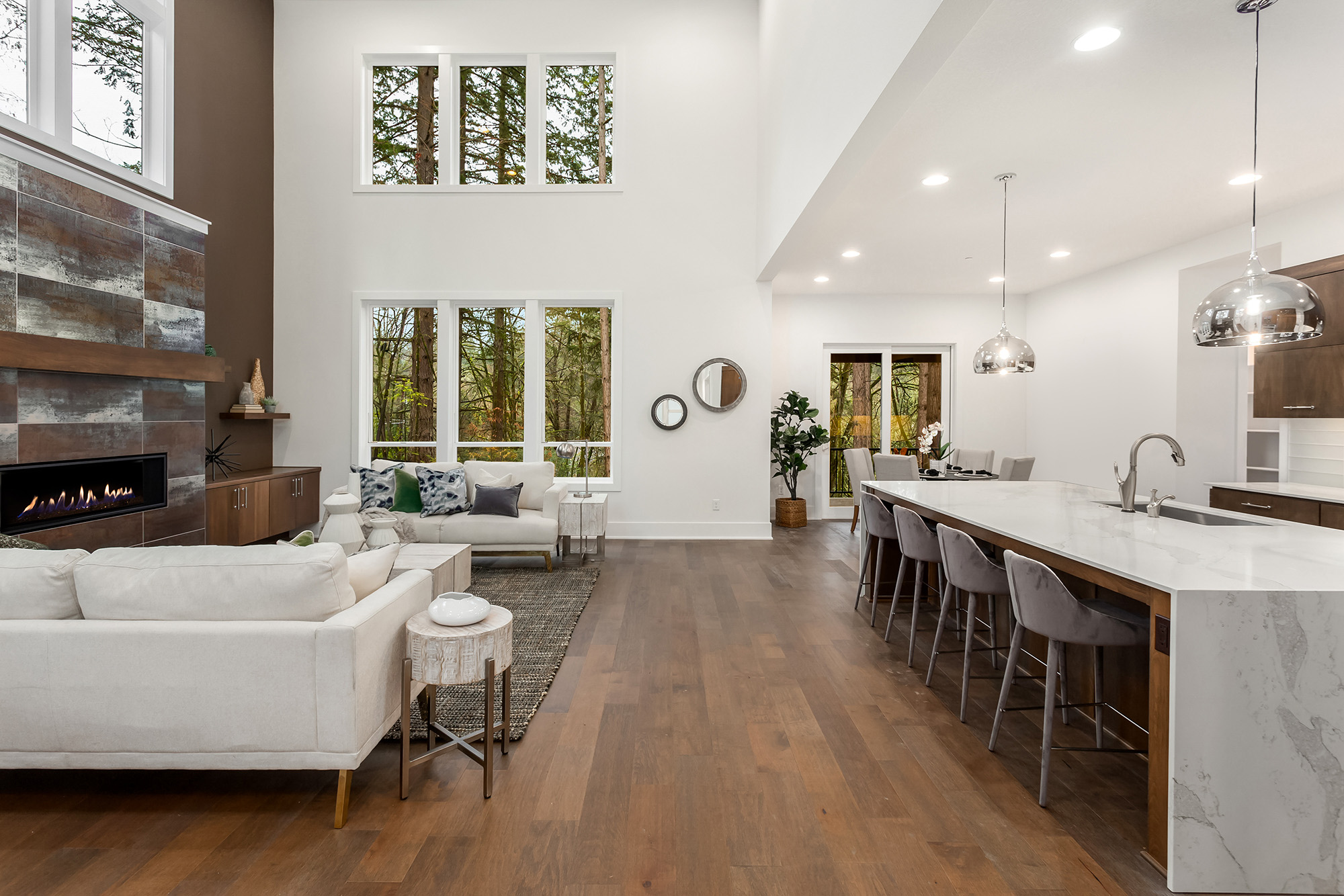
When you have an open living space, your flooring has a lot of work to do. It needs to connect different areas of your home, complement your furniture, and create a look that still feels natural as your style changes. If you are considering hardwood flooring, you have an opportunity to build that foundation around a material that brings warmth, character, and timeless appeal to your space.
You may already have an idea of what you want your new floor to look like, but choosing hardwood involves more than picking a color from a sample. You need to think about the size of your rooms, the amount of natural light you receive, how you use your home, and the overall atmosphere you want to create.
If you are exploring hardwood flooring options, Arrowhead Carpet & Tile can help you look at flooring choices that fit your project. Serving Glendale, Sun City West, Peoria, Phoenix, Surprise, and Scottsdale, you can explore different styles while keeping your home's practical needs in mind.
Let Your Floor Connect the Space
One of the biggest advantages of hardwood in an open concept home is the way it can visually connect different areas. When your kitchen, dining area, and living room flow into one another, using a consistent flooring style can help the entire space feel more cohesive.
Instead of treating each area as a completely separate room, you can use your flooring as a common design element. The same hardwood throughout connected spaces can create a smoother transition and make your home feel more unified.
This can be particularly useful if you prefer a clean and uncluttered interior. Your furniture, rugs, artwork, and other décor can provide the changes between spaces while the hardwood creates continuity underneath.
Consider the Size of Your Room
The size of your space can influence which hardwood appearance feels most appropriate. If you have a large open floor plan, wider planks can create a spacious and contemporary look. They can also allow the natural character of the wood to become more noticeable across the room.
If your rooms are smaller or divided into more defined areas, narrower planks may provide a more traditional appearance. Neither approach is automatically right or wrong. The important thing is to consider how the proportions of the flooring relate to the proportions of your room.
You should also think about how the floor will look once it covers the entire space. A small sample only gives you part of the picture, so it helps to consider the overall visual effect rather than choosing a floor based on a single sample alone.
Pay Attention to Color and Natural Light
Natural light can change the way your hardwood flooring looks throughout the day. A floor that appears one way under showroom lighting may have a different appearance when sunlight enters your home in the morning or afternoon.
If your room receives plenty of natural light, you have a wide range of options to consider. Lighter hardwood can help maintain an airy and open feeling, while medium and deeper tones can add contrast and make the room feel more grounded.
You can also look at your existing cabinets, walls, furniture, and other permanent features before making your decision. Your flooring does not need to match everything exactly. Instead, you want the colors and undertones to work comfortably together.
Think About the Character You Want
Hardwood flooring is appealing partly because every style can create a different feeling. You might prefer a relatively clean appearance with subtle variation, or you may like flooring with more visible grain, knots, and natural character.
If you want your room to feel relaxed and inviting, a floor with noticeable natural variation can add personality without requiring bold décor. If you prefer a more refined and understated interior, you may gravitate toward a smoother and more consistent appearance.
Think about your furniture as well. If you already have patterned rugs, statement furniture, or distinctive artwork, you may want your hardwood to provide a quieter background. If your décor is simple, a floor with more character can become an important part of the room's visual interest.
Choose Flooring Around Your Lifestyle
Your home may look beautiful in a flooring showroom, but you need to make sure the flooring also works for the way you actually live. Before choosing hardwood, consider your daily routine.
Do you frequently entertain guests? Do you have children or pets? Are certain areas of your home used more heavily than others? Do you want your flooring to create a formal appearance, or would you rather have a relaxed space that feels comfortable every day.
Answering these questions can help you narrow down your choices. Instead of focusing only on trends, you can select a hardwood style that fits your habits and your expectations for the room.
It is also worth considering maintenance as part of the decision. Every flooring material has its own care requirements, and understanding those requirements before installation can help you know what to expect in the years ahead.
Bring Warmth Into an Arizona Interior
Arizona homes have a distinctive setting. Glendale and the surrounding Phoenix metropolitan area have a dry desert environment, with bright sunshine and nearby mountain scenery. There is no ocean or coastal setting in this area, so many interiors naturally draw inspiration from the desert landscape and warm surroundings.
Hardwood can complement that environment particularly well when you want to introduce a natural material into your interior. Warm wood tones can work with earthy colors, neutral furnishings, natural textures, and contemporary décor.
You can also create contrast. A lighter interior with darker hardwood can give the floor more visual definition, while lighter wood paired with warm neutrals can create a bright and relaxed atmosphere.
Look Beyond the Initial Impression
When you are choosing hardwood, try not to make your decision during the first few minutes of shopping. Give yourself time to compare multiple options.
Look at different plank widths. Compare lighter and darker tones. Examine the natural grain. Think about how each option works with your existing décor. Most importantly, imagine living with the flooring every day rather than simply looking at it as a showroom sample.
You can also use your room's existing features to guide you. If you have warm wood cabinetry, for example, you can look for hardwood with complementary undertones. If your home has cooler walls and furnishings, you can explore flooring that balances those tones rather than competing with them.
Create an Open Space You Enjoy Coming Home To
Your flooring can influence how your entire living space feels, especially when you have an open floor plan. Hardwood gives you the opportunity to create visual continuity while adding natural character and warmth to the rooms you use most.
The best choice for your home depends on more than what is currently popular. When you consider your room size, natural light, décor, lifestyle, maintenance expectations, and preferred style, you can make a flooring decision that feels much more personal.
If you are ready to explore hardwood flooring for your home in Glendale, Sun City West, Peoria, Phoenix, Surprise, or Scottsdale, take the time to compare your options in person. Visit Arrowhead Carpet & Tile or contact us to start planning your flooring project.


